How To Protect Your Dental Implants Long Term
How To Protect Your Dental Implants Long Term
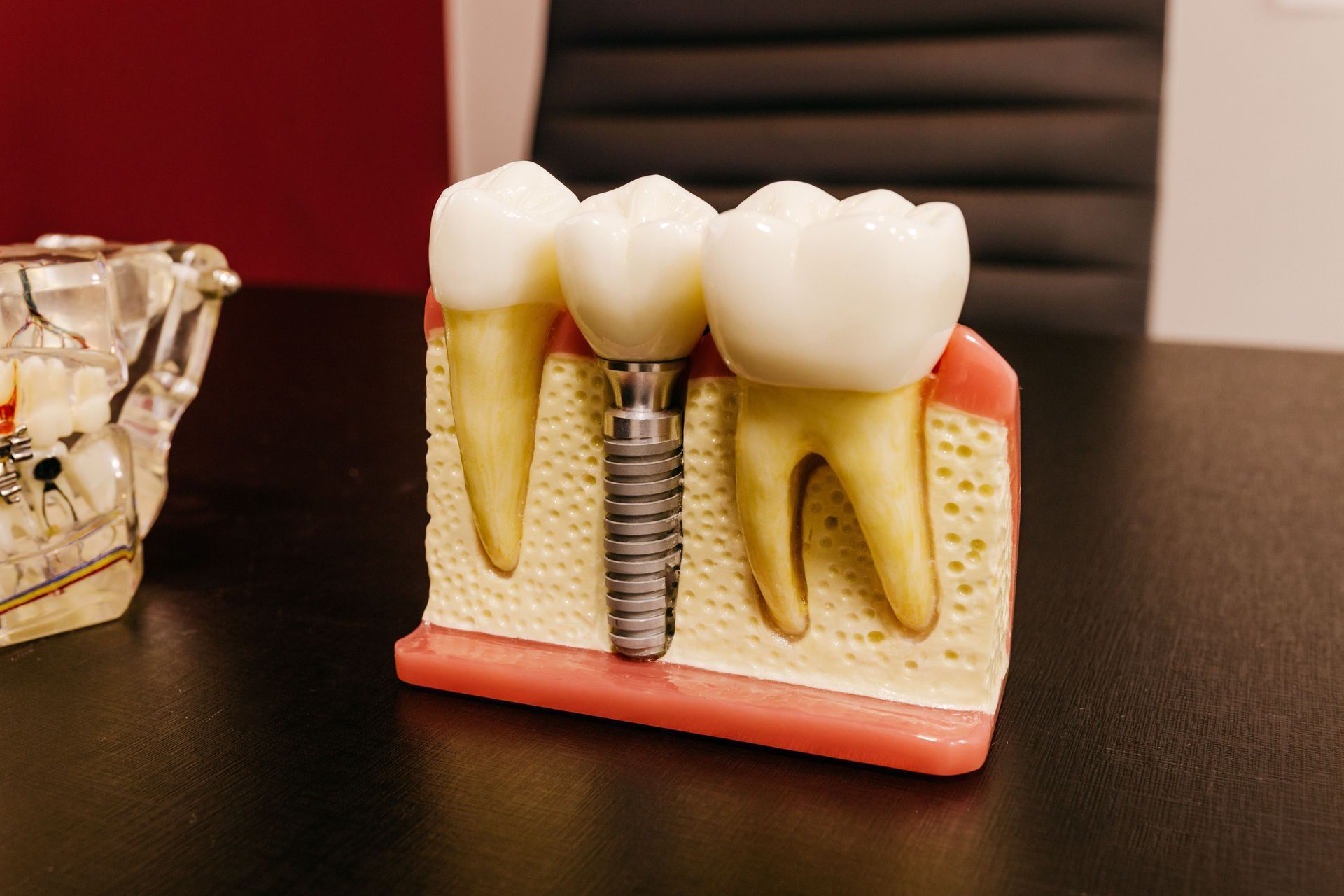
Dental implants can replace missing teeth and help restore your smile, chewing ability, and confidence. Although implants are designed to provide lasting support, they still need regular care. The implant itself may be resistant to decay, but the surrounding gums and bone can develop problems without proper maintenance.
With consistent oral hygiene and professional care, you can help protect your dental implants and keep your smile healthy for years to come.
Brush And Clean Around Your Implants Daily
Plaque can collect around dental implants just as it does around natural teeth. If it builds up along the gumline, it can cause inflammation and increase the risk of peri-implant disease.
Follow these daily habits to keep your implant area clean:
- Brush twice daily: Use a soft-bristled toothbrush to clean your teeth, implant crowns, and gumline gently.
- Clean between your teeth: Use dental floss, interdental brushes, or another tool recommended by your dentist to remove plaque from hard-to-reach areas.
- Choose suitable cleaning products: Ask your dental team which toothbrushes and cleaning aids work best for your specific implant restoration.
- Keep your tongue clean: Gently brushing your tongue helps reduce bacterial buildup throughout your mouth.
Keep Up With Regular Dental Checkups
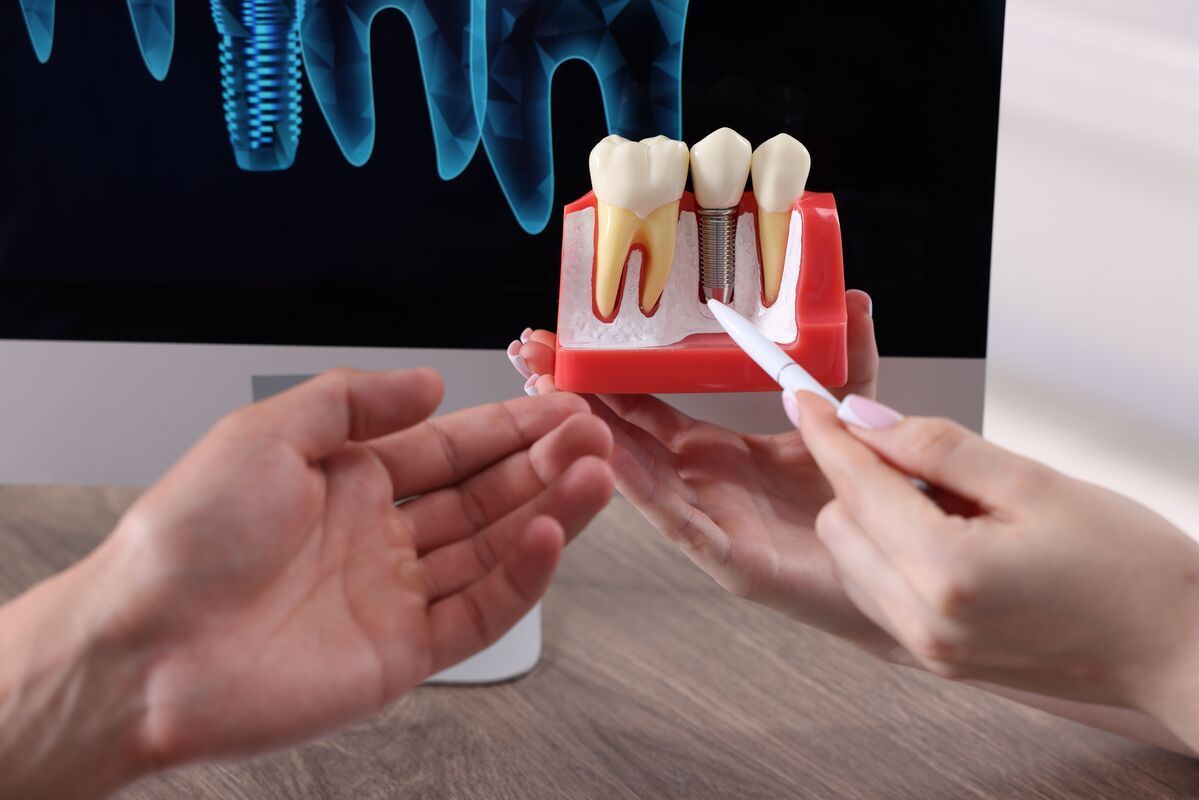
Routine dental visits help your dentist monitor the health and stability of your implants. During these appointments, your dental team can check your gums, assess your bite, and look for signs of inflammation or bone changes.
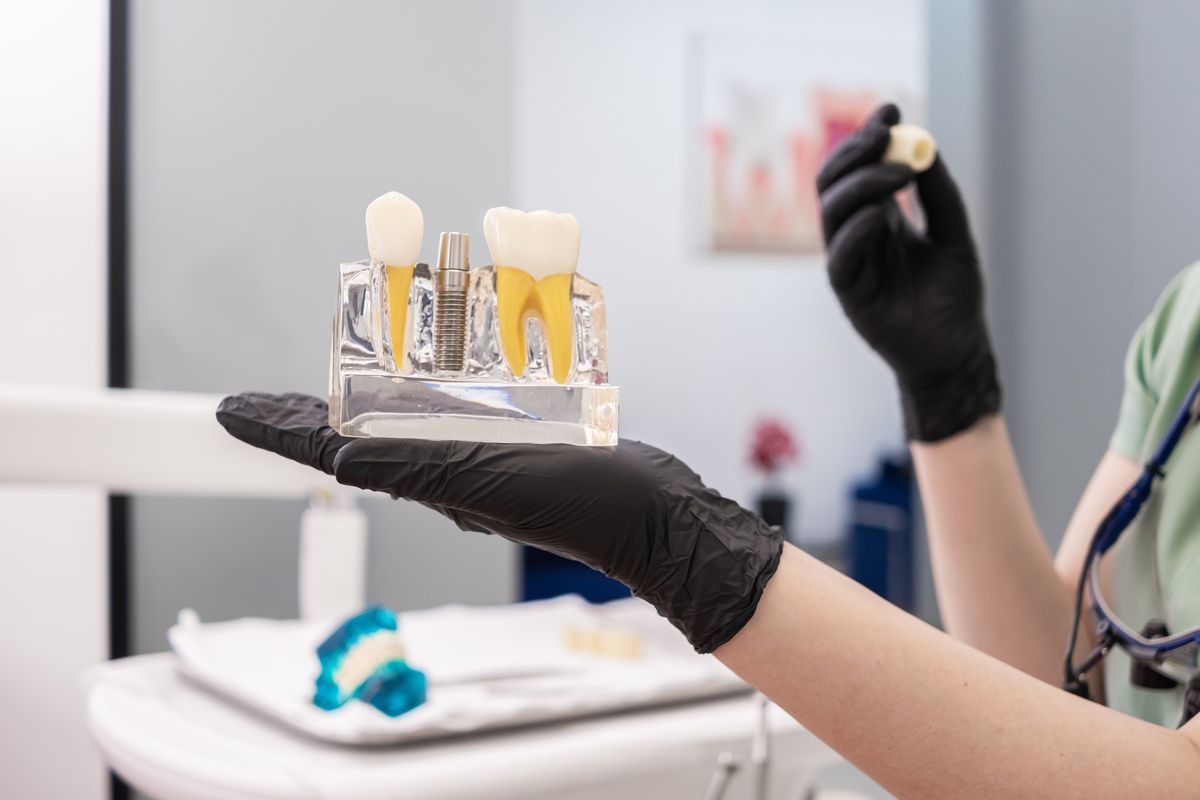
Your dentist may also recommend professional cleaning methods designed for implant restorations. Follow the maintenance schedule they provide, since your needs may differ depending on your oral health and the type of implant you have.
Avoid Habits That Can Damage Your Implants
Everyday habits can affect the condition of your implant restoration. To reduce unnecessary stress and protect the surrounding tissues:
- Avoid chewing ice, hard candies, and other very hard objects.
- Don't use your teeth to open packages or bite nonfood items.
- Avoid smoking, which can increase the risk of implant complications.
- Ask your dentist about a night guard if you grind or clench your teeth.
A balanced diet and good management of health conditions can also support healing and long-term oral health.
Watch For Changes Around Your Implants
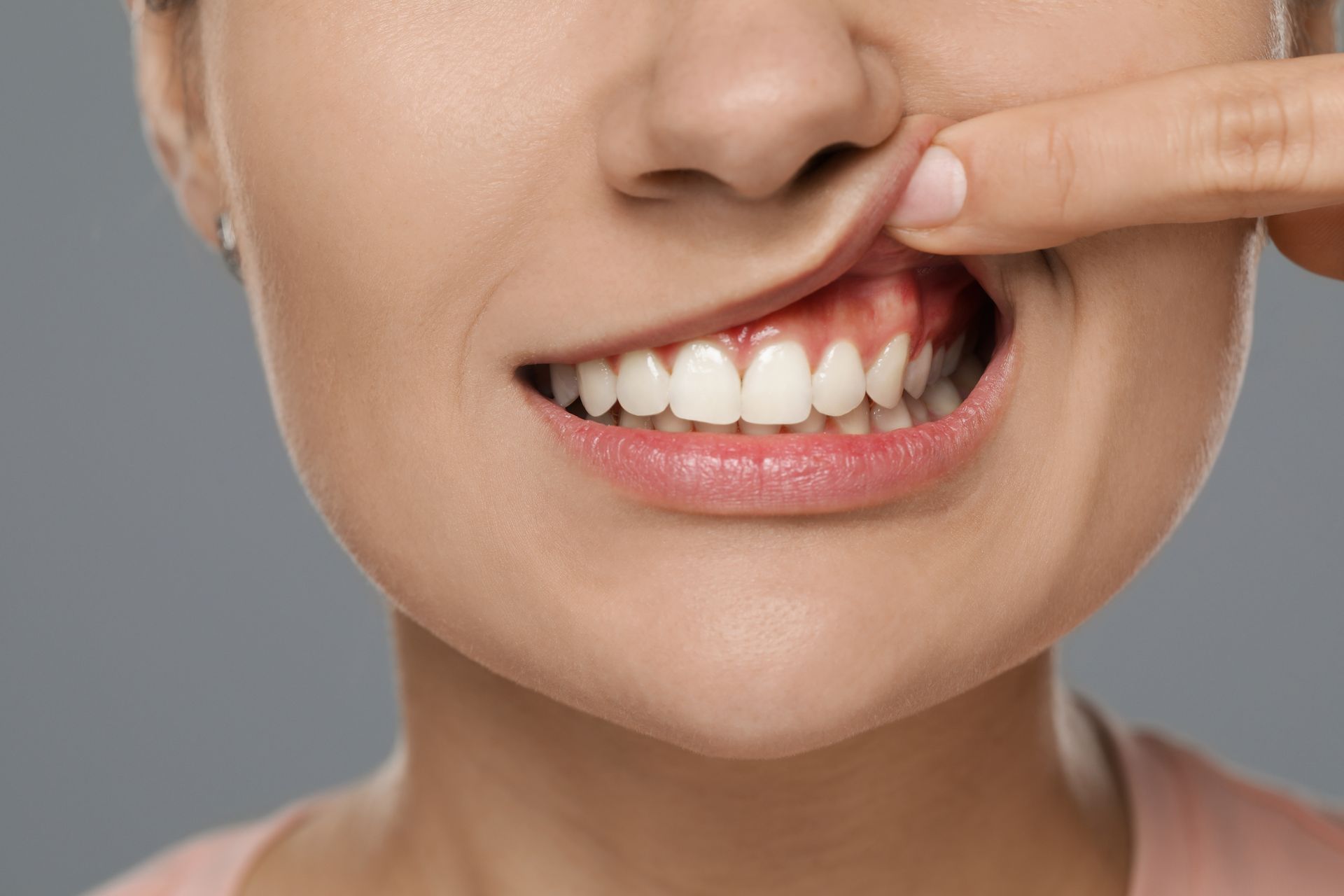
Pain, swelling, bleeding, persistent bad breath, or a loose dental crown can signal a problem. Schedule a dental evaluation promptly if you notice these changes. Early treatment can help address complications before they become more serious.
Maintain Your Smile With Consistent Care
Dental implants require a long-term commitment, but a simple daily routine and regular professional monitoring can make a meaningful difference. Schedule a dental implant maintenance appointment to check your implant health and keep your replacement teeth functioning comfortably.
Contact Dr. Brent Robinson at
425-778-1164 to schedule an appointment at Robinson Dental in Lynnwood, WA, 98036.