3 Common Reasons Dental Implants Fail
3 Common Reasons Dental Implants Fail
Dental implants offer a reliable way to replace missing teeth and restore your ability to chew comfortably. With proper planning and care, they can last for many years. However, like any dental treatment, implants can sometimes develop complications that affect their stability or long-term success.
Understanding the common reasons dental implants fail can help you recognize potential problems and take steps to protect your oral health.
1. Infection Around The Dental Implant
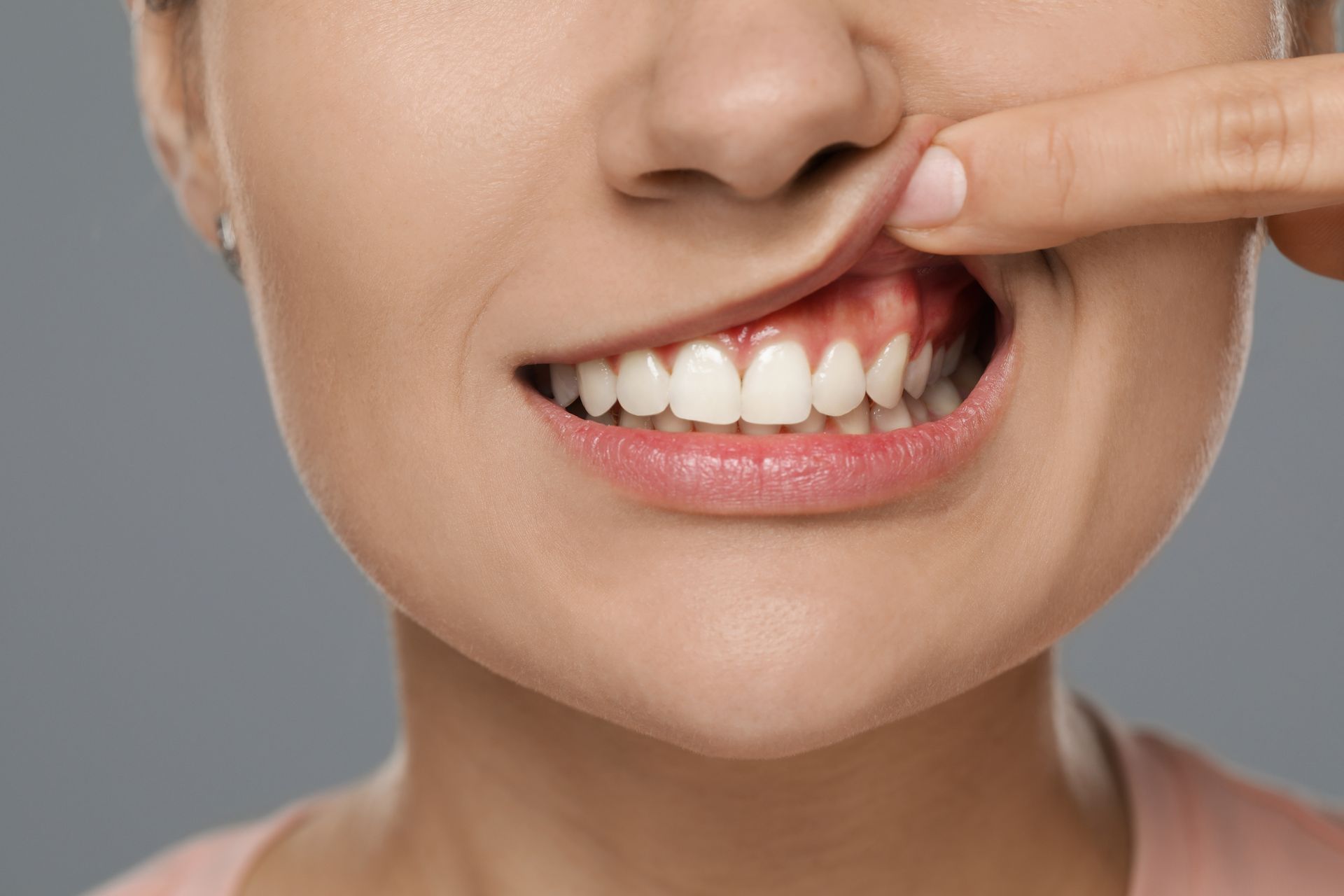
One possible cause of dental implant failure is an infection around the implant. Peri-implantitis occurs when inflammation affects the gum tissue and bone surrounding an implant. Without treatment, this condition can damage the supporting bone and cause the implant to loosen.
Plaque buildup, a history of gum disease, and inconsistent oral hygiene can increase your risk.
To help prevent infection, brush twice daily, clean between your teeth and around your implant every day, and attend regular dental checkups. Your dentist can recommend cleaning tools designed to reach the areas around your restoration.
2. Insufficient Bone Support
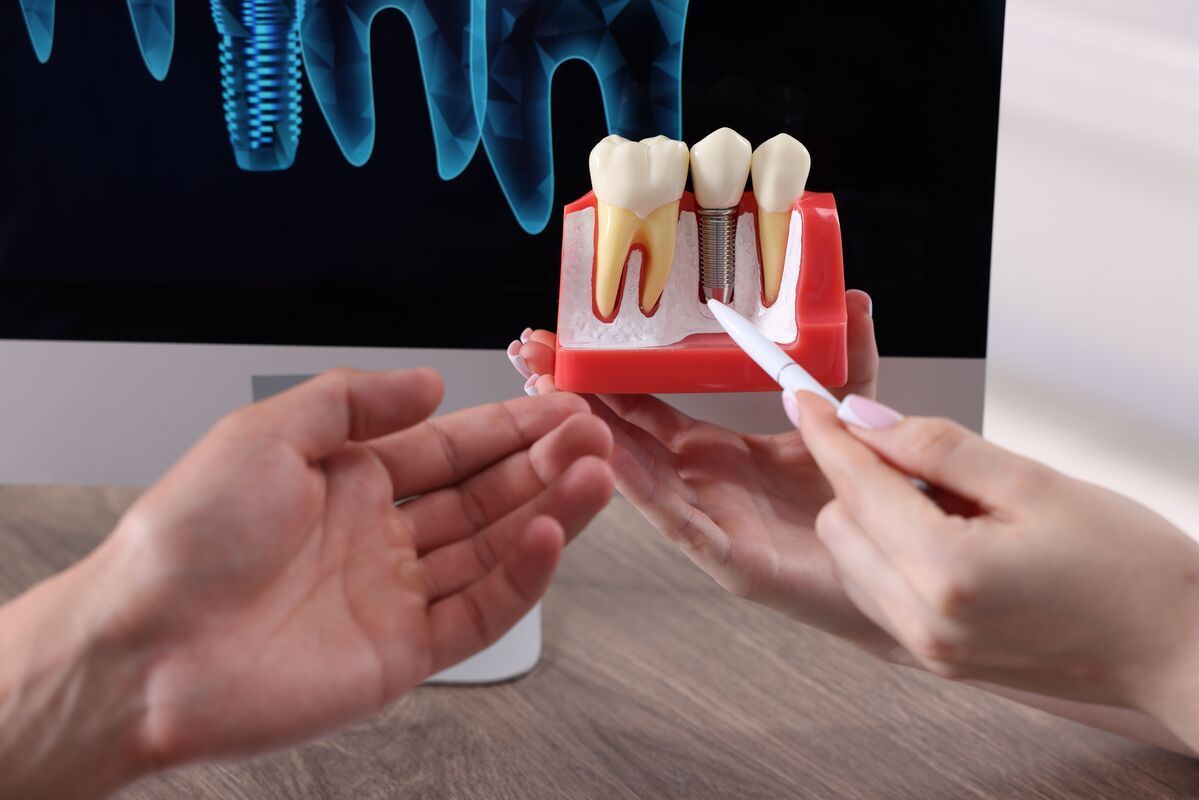
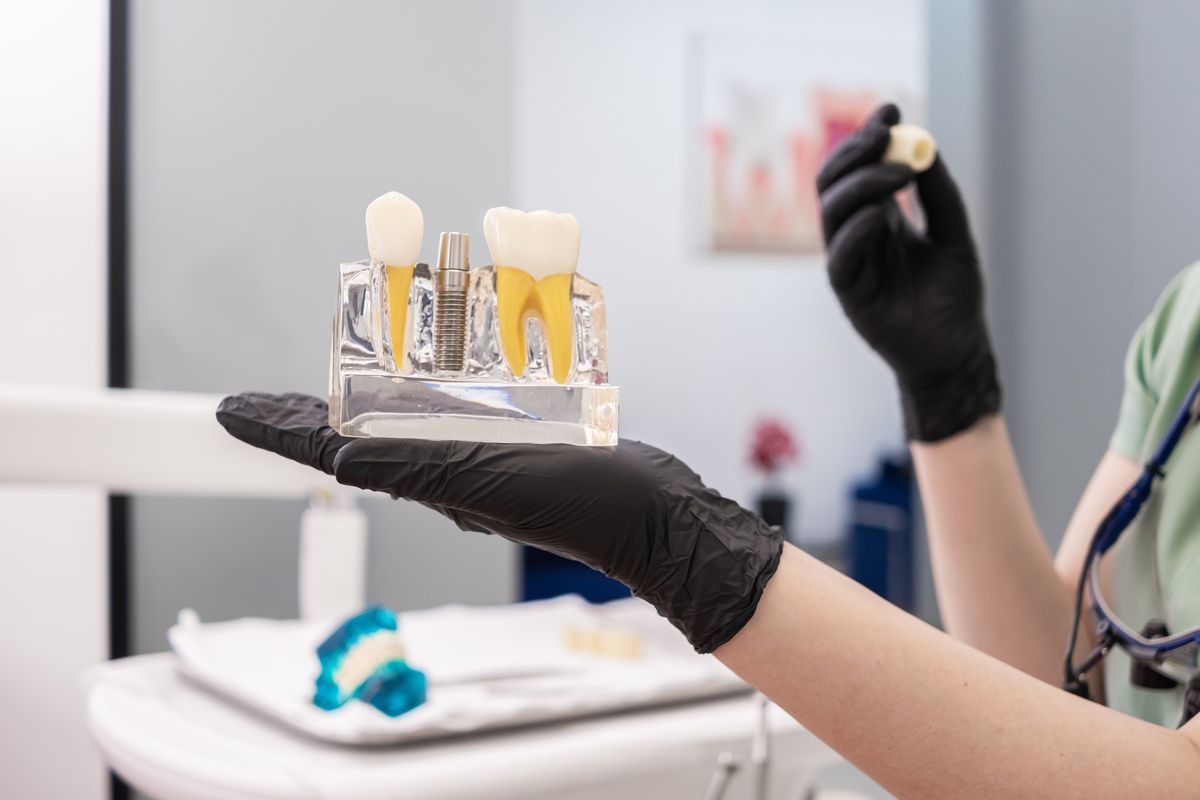
Dental implants need adequate jawbone support to remain stable. After an implant is placed, the surrounding bone must heal and bond with its surface through a process called osseointegration.
Certain factors can interfere with this process, including poor bone quality, inadequate bone volume, and some medical conditions. Smoking can also slow healing and increase the risk of complications.
Your dentist will evaluate your jawbone before recommending implant treatment. If you don't have enough bone to support an implant, a bone graft or another preparatory procedure may help improve your candidacy.
3. Excessive Pressure On The Implant
Dental implants can withstand normal chewing forces, but excessive pressure may contribute to complications. Teeth grinding, jaw clenching, or an uneven bite can place added stress on the implant and its restoration.
Over time, this pressure may damage the crown, loosen components, or affect the surrounding bone.
If you grind your teeth, your dentist may recommend a custom night guard. Regular dental visits also allow your dentist to check your bite and identify signs of excessive wear or pressure.
Recognize The Warning Signs Of Implant Problems
Contact your dental provider through your scheduled care pathway if you notice symptoms such as persistent pain, swelling, bleeding, pus, or movement around an implant. These signs deserve prompt evaluation, especially if they develop after the initial healing period.
Protect Your Investment In A Healthy Smile
Dental implant complications don't always mean an implant will fail, and early treatment may help prevent further damage. Consistent home care, routine professional maintenance, and attention to changes around your implant can support long-term success.
Contact Dr. Brent Robinson at
425-778-1164 to schedule an appointment at Robinson Dental in Lynnwood, WA, 98036.